Inside Shadowline, a Furniture Design Studio Growing Into Its Identity
By
Mansvini Kaushik
|
Share this article:
Design
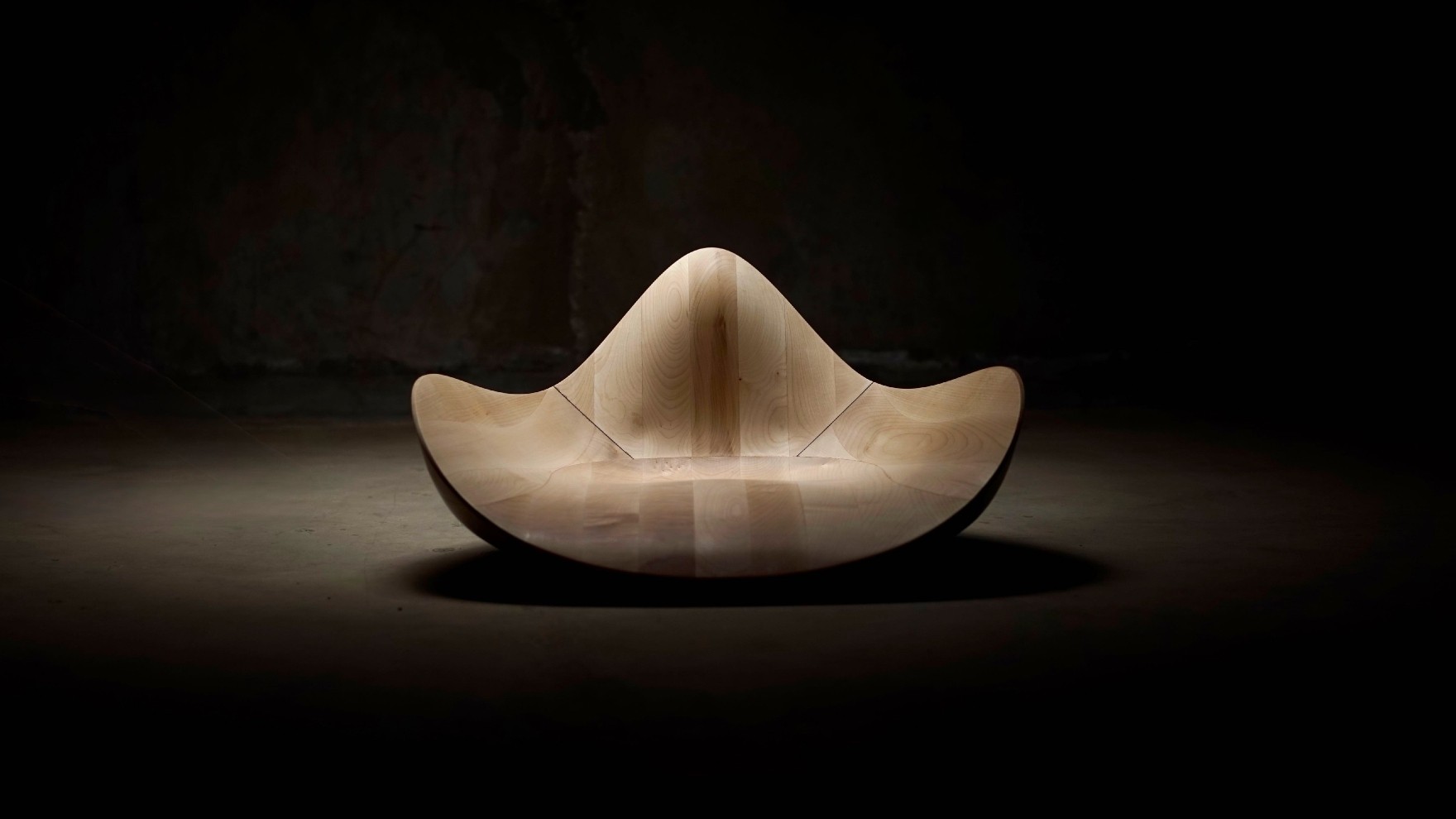
Image: Sharanam, a seat for personal temple, by Shadowline
Shadowline, the solid-wood furniture design studio founded by designer Aakash Patel, 33, is one of the more intriguing new voices in India’s design landscape. It is a practice shaped as much by engineering rigor as by cultural intuition, and Aakash’s insistence on controlling both design and production gives the brand a clarity many young studios lack. Yet the work also carries the marks of a studio still expanding its vocabulary. Shadowline is thoughtful, technically strong, and principled, but it is also young, introspective, and still discovering the breadth of what it could be.
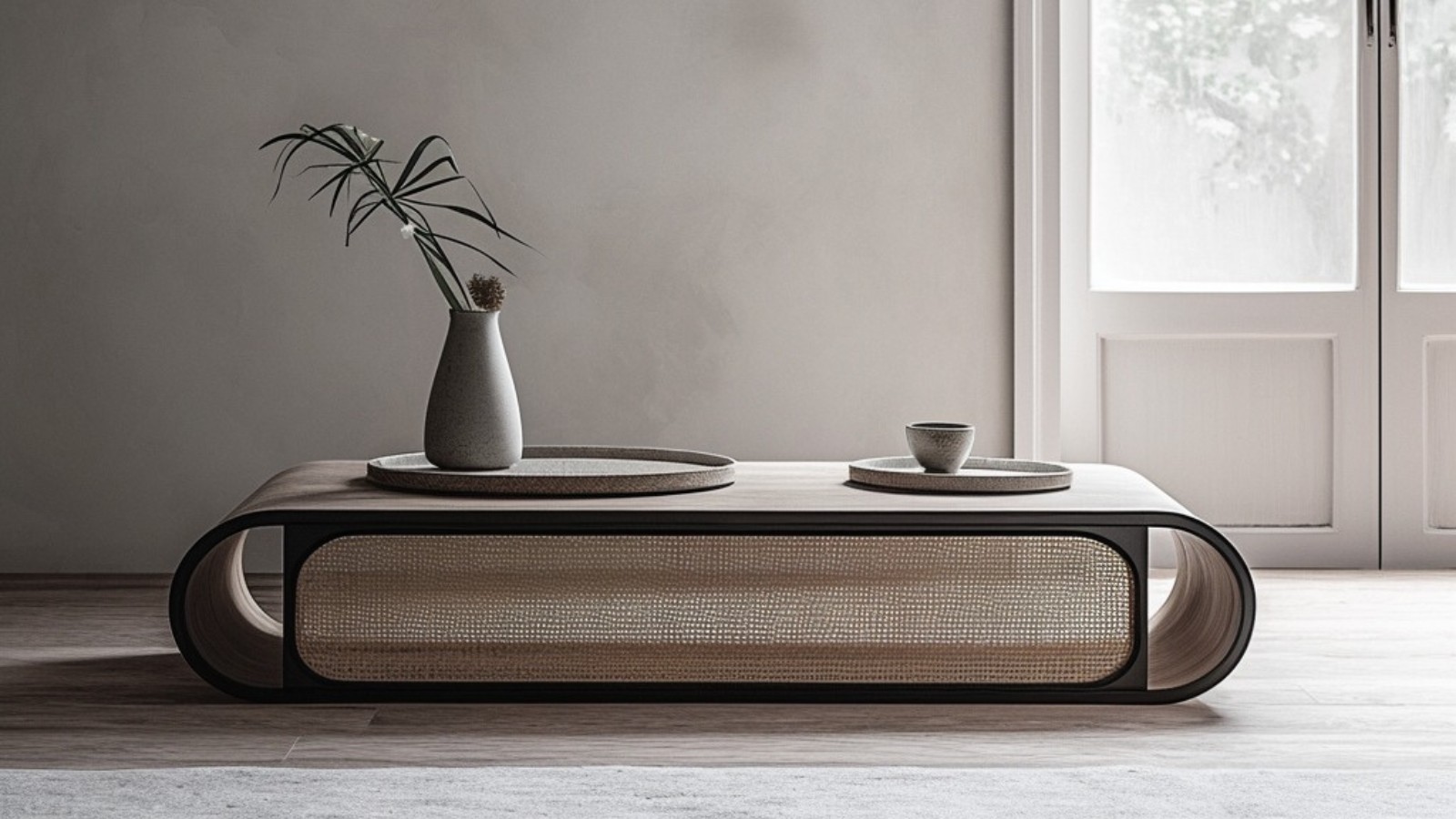
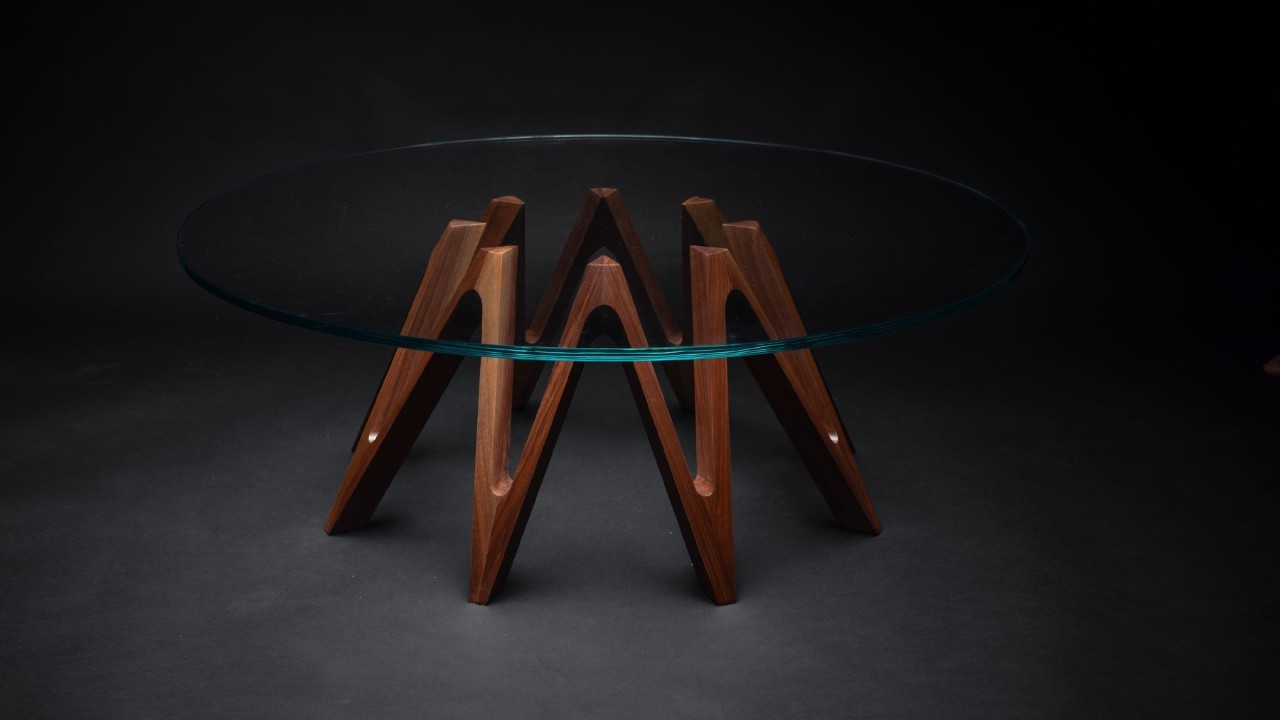
Walk into the studio and the first thing you register is the precision. Aakash’s near-obsessive control over material behaviour, joinery, and alignment defines the entire collection. “If something aligns perfectly, completely level, that’s our sign of a perfect piece,” he says. That pursuit of alignment is visible across the portfolio. The Oscillo tables hold their circular forms with confidence, and the Āśaya meditation chair, made entirely without screws or nails, feels like a quiet piece of engineering disguised as sculpture. There is a certain serenity to Shadowline’s silhouettes, as if each form has been edited down until nothing unnecessary remains.
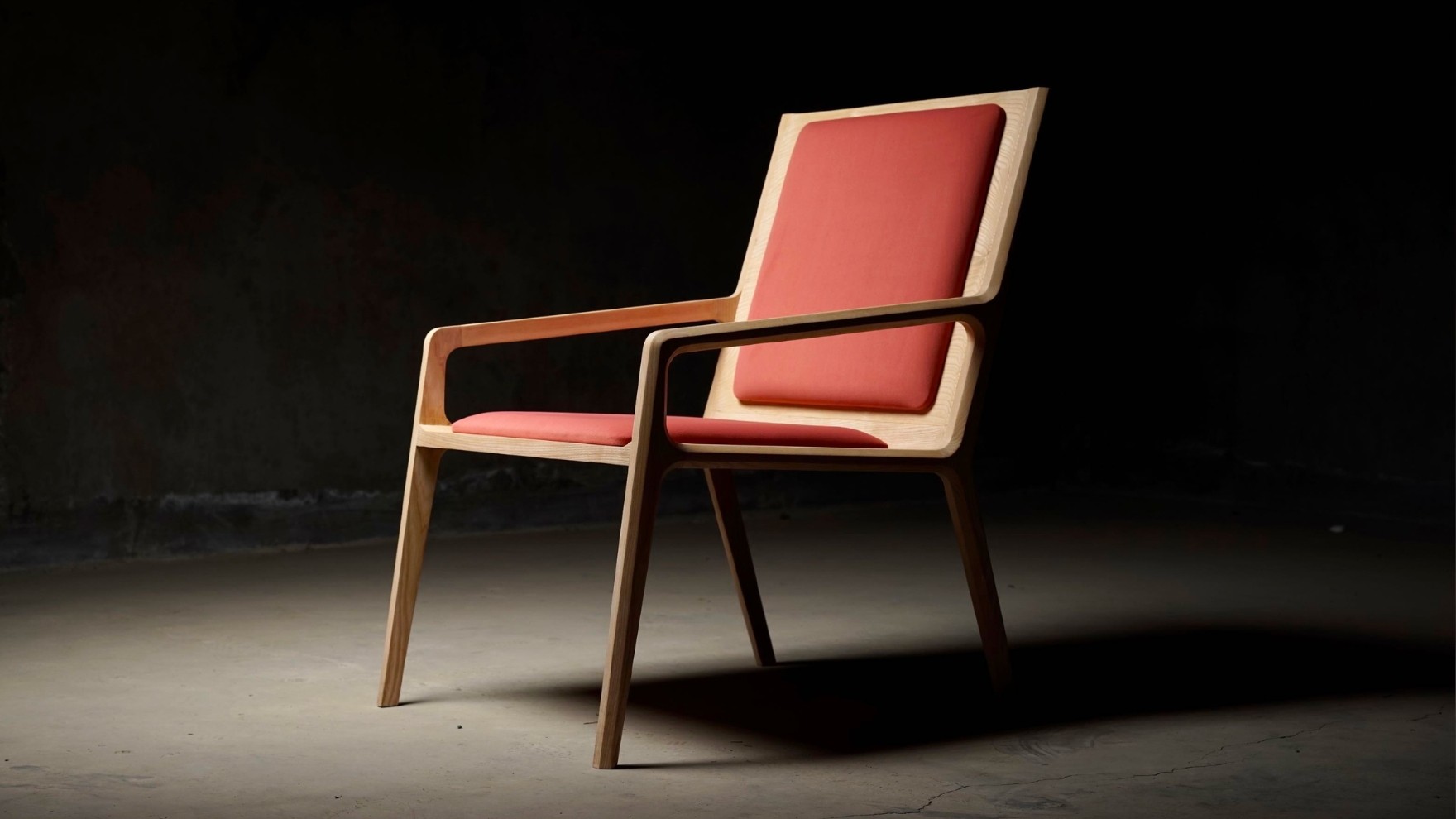
Shadowline’s cultural grounding is another of its strong points. Aakash’s references to Indian architectural memory appear as subtle qualities rather than overt motifs. The DC8 Lounge Chair channels the light-and-shadow depth of Hampi’s stone structures, while the Domus range abstracts the rhythm of Roman arches into a contemporary profile. Aakash explains, “What’s traditional to us and has been forgotten is now slowly coming back.” In a market where “Indian-inspired design” often defaults to surface-level motifs, this sensitivity feels refreshing.
But this clarity also brings inherent limitations. Shadowline’s devotion to clean silhouettes, chamfers, and shadow lines can sometimes make the pieces look similar to one another. A broader exploration of texture, colour, and mixed materials could bring more dynamism into the collection. Aakash acknowledges the tension between experimentation and precision, noting, “Designers work on principles like contrast, harmony, alignment. If something is out of place, it really irritates us.” This honesty explains the studio’s restraint, but also hints at why the work leans toward a controlled aesthetic rather than a playful one.
Another point of friction is accessibility. Shadowline’s commitment to imported hardwoods, kiln-drying processes, long acclimatisation periods, and advanced CNC machining naturally pushes costs higher. The brand’s strength is also its barrier. Aakash defends the decision with characteristic clarity: “Solid wood, if built right, is an heirloom product. It will last forever.” He juxtaposes this with the limitations of veneer, pointing out that veneer “is a 0.4 millimetre layer you cannot refinish,” whereas solid wood can be restored again and again. It is a persuasive argument, yet the reality remains that many Indian homes may find the care and budget required for solid wood challenging.
There is also an austerity to Shadowline’s language. The pieces excel in simplicity, but occasionally risk feeling too serious, almost meditative to a fault. One wishes for the occasional surprise—an unexpected curve, a new material, a shift in rhythm. Aakash hints that this will come with time. “Our minds are never at ease,” he says. “The moment of satisfaction after an improvement is short-lived, and so we keep pushing.” It is both a promise and a glimpse into a studio still in evolution.
Where Shadowline truly sets itself apart is in its treatment of the making process as an experience in itself. The studio environment is layered with acoustics, warmth, and calm, reinforcing Aakash’s belief that design should engage multiple senses. “As a brand, there’s not just furniture,” he notes. “Clients come in and deal with a whole bunch of different ideas where they can improve their lives.” This holistic positioning adds depth, though it also risks narrowing the brand’s reach to a clientele seeking lifestyle immersion rather than simply well-made furniture.
Shadowline is best experienced in person, where the weight, finish, and quiet precision of each piece become immediately clear. The studio offers a calm, well-composed space to understand the brand’s approach to solid wood and thoughtful design, making it a worthwhile visit for anyone interested in quality craftsmanship and contemporary Indian furniture.
In all, Shadowline is a studio with strong fundamentals: disciplined craftsmanship, thoughtful cultural referencing, and a clear point of view. Its limitations—limited textural diversity, constrained accessibility, and a somewhat serious visual vocabulary—are not structural flaws but signs of a practice still maturing. Aakash’s own reflections and explanations suggest a founder deeply aware of these tensions and willing to address them through continuous iteration and special engagements with clients.
Shadowline is not the finished narrative, but it is an assured first chapter. It is precise, intentional, and earnest, and its next phase will likely be defined by how boldly it expands its material and aesthetic horizons. For now, it remains a studio worth paying close attention to, one that treats wood with dignity and design with discipline.
Share this article:

Mansvini Kaushik
Mansvini Kaushik is the Editor-in-Chief of Indulge Newsroom, the editorial division of Indulge Global. A seasoned business and investigative journalist, she brings years of experience from Forbes India, where she honed her craft in high-impact storytelling. With a deep-rooted passion for luxury and culture, Mansvini founded Candle Magazine before taking the helm at Indulge Newsroom. She now leads the publication with a vision to redefine luxury journalism in India.