The India–EU Free Trade Agreement Is Set To Reshape Luxury Car Access in India
By
Mansvini Kaushik
|
Share this article:
Business
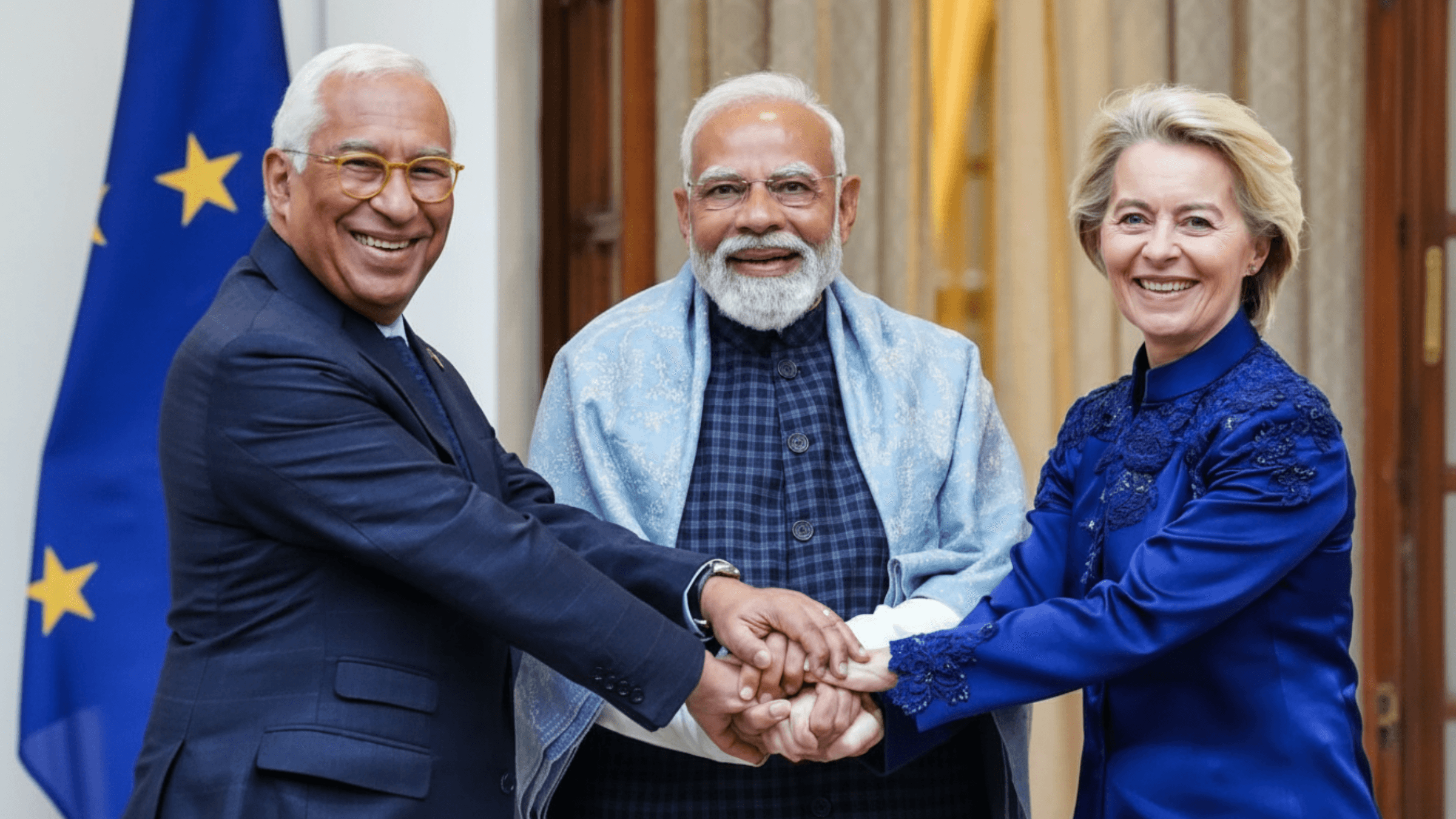
Image: Altaf Hussain/REUTERS
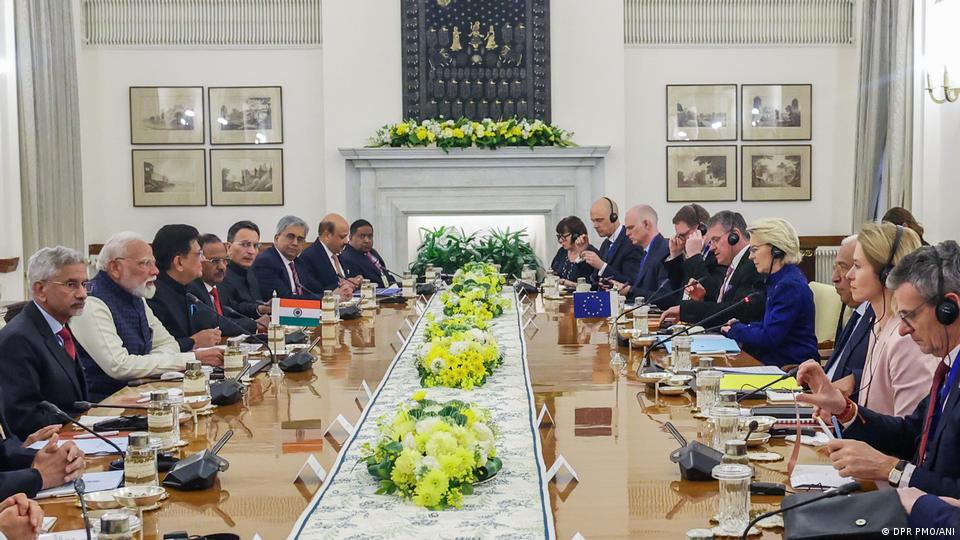
The signing of the India–EU Free Trade Agreement (FTA) in January 2026 marks a significant shift in India’s evolving luxury landscape. While the agreement spans sectors from manufacturing to agriculture, its implications for the country’s high-end automotive market are already drawing attention.
At the centre of the shift lies a long-standing friction point: India’s steep import duties on fully built European cars. Today, completely built-up units can attract tariffs of up to 100 to 125 percent, making India one of the most expensive markets globally for imported luxury vehicles. For decades, this tariff wall has shaped the country’s luxury automotive ecosystem, limiting direct imports and pushing automakers toward local assembly strategies.
With the agreement now formalised, those duties are expected to fall gradually over the coming years. The reduction will be phased rather than immediate, but its direction signals a structural recalibration in how India participates in the global luxury car economy.
Lower Tariffs, Wider Access
A phased easing of duties could expand access to European luxury cars that previously made limited commercial sense in India. Low-volume imports, performance variants, and specialised internal-combustion models may become more viable propositions as the cost barrier softens.
The shift is expected to benefit a wide range of European automakers with strong Indian demand, including BMW, Mercedes-Benz, Audi, Porsche, and ultra-luxury marques such as Ferrari. While some of these brands already operate assembly lines in India, the agreement could make fully imported models more accessible over time.
A Phased Impact
Despite the optimism, the impact will not be immediate. Tariff reductions are expected to unfold over several years, with final retail pricing still influenced by state-level taxes, import structures, and brand positioning strategies.
Even so, the long-term implications are meaningful. Lower import barriers could make India a more strategic allocation market within global product cycles. That may influence how quickly new platforms, limited editions, and electrified architectures reach Indian buyers.
India’s luxury car market remains smaller than China, the United States, or Western Europe, but it is among the fastest-growing globally. A rising base of ultra-high-net-worth individuals and first-generation wealth creators continues to drive demand for high-value discretionary assets, including performance and collector automobiles.
Beyond Pricing
Within luxury, access is rarely about affordability alone. It is about availability, allocation, and parity with global markets.
Indian collectors have historically navigated extended waitlists, complex import approvals, and delayed deliveries compared with their counterparts abroad. A gradual reduction in tariffs may narrow that gap, bringing India closer to global timelines in product access and model diversity.
The agreement also carries symbolic weight. It reflects India’s deeper integration into European industrial ecosystems at a time when global supply chains are being reconfigured. For European automakers, India represents both a consumption opportunity and a long-term strategic market.
A Structural Shift In Motion
Even with the agreement signed, implementation will play out over time. Domestic industry safeguards and phased tariff schedules will shape the speed and depth of change.
Yet the direction is clear. The India–EU Free Trade Agreement is more than a trade milestone. For the luxury automotive sector, it signals a gradual transition from a high-barrier import environment to a more globally aligned market.
For India’s growing class of collectors and first-generation luxury buyers, that alignment could redefine what access to European automotive luxury looks like in the decade ahead.
Share this article:

Mansvini Kaushik
Mansvini Kaushik is the Editor-in-Chief of Indulge Newsroom, the editorial division of Indulge Global. A seasoned business and investigative journalist, she brings years of experience from Forbes India, where she honed her craft in high-impact storytelling. With a deep-rooted passion for luxury and culture, Mansvini founded Candle Magazine before taking the helm at Indulge Newsroom. She now leads the publication with a vision to redefine luxury journalism in India.